J. Edgar (review)
If there’s one thing that comes across stridently and passionately from Clint Eastwood’s curiously blah biopic J. Edgar, it is this: Leonardo DiCaprio really wants an Oscar.

handcrafted by maryann johanson (human) | 100% free of AIs and algorithms
If there’s one thing that comes across stridently and passionately from Clint Eastwood’s curiously blah biopic J. Edgar, it is this: Leonardo DiCaprio really wants an Oscar.

Is there sweet? Absolutely. But it is cut with funny: sometimes wicked, sometimes manic, often hysterical, always clever funny. And a whole lotta poignant, too.
It’s like if Samwise Gamgee wrote fan fiction about Greek mythology, and then Vogue magazine’s most outré photographers did a huge photo spread based on that…
Here is the mystery and wonder of Werner Herzog: this is simultaneously his least Herzog-y film and also the most profound expression of Herzog-ness yet…
An elegantly creepy tale of a haunting that, wonder of wonders, one may approach equally well from the perspective of total supernatural belief or entrenched skepticism…

It takes an extraordinary film to turn the notion of woman-as-victim on its head… and an even more extraordinary film if it does posit as its central conceit that its protagonist has unquestionably been victimized.
There is a whole lotta frustration to be found in a movie about a woman forced to play men’s games who doesn’t fight back… not even a little.
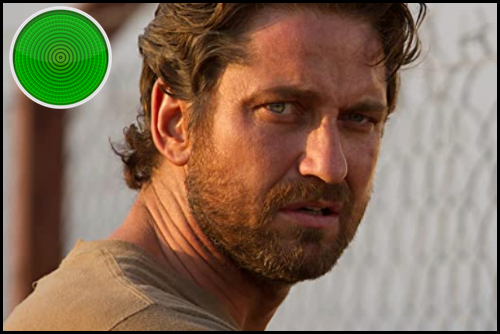
Gerard Butler gets Jesus. But not — this is my favorite thing about this movie — in an obnoxious way.
Looking at this story again, in the light of distance and in seeing reflections of what Doctor Who has become since 2005, I realize there was so much more that impacted me, and that it’s so much richer than I realized at the time.
It’s meant to be terribly romantic how theses two sweet guys fall in love over the course of a few days. But something doesn’t feel quite right to me.


 sample sponsored post (sponsored) - Lorem ipsum dolor sit amet, consectetur adipiscing elit. Fusce quis risus odio.


