The Third Man (review)
What is *The Third Man* is no great mystery: it’s one of the greatest expressions of the noir attitude ever committed to film.

handcrafted by maryann johanson (human) | 100% free of AIs and algorithms
What is *The Third Man* is no great mystery: it’s one of the greatest expressions of the noir attitude ever committed to film.
In the wee hours of July 16, 1938, an insurance salesman Walter Neff sits down at a dictation machine in the offices of Pacific All-Risk in Los Angeles to record a confession. That guy Dietrichson, who died mysteriously? Neff killed him.
Promising but a little unsteady on his feet with his first film, Lock, Stock and Two Smoking Barrels, writer/director Ritchie has graduated, with Snatch, to full-fledged cool-ass dude and filmmaker to watch out for.
There’s a lot of typing in Antitrust, and when there isn’t typing there’s a lot of running up and down stairs. It’s very soothing, in an altered-mental-state kind of way, like banging your head rhythmically against a wall.
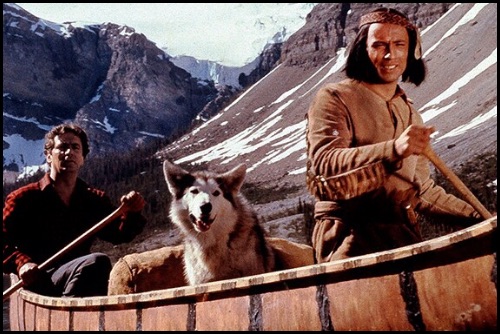
This gorgeously shot 1961 Disney movie is half awwww-inspiring romp through evergreen forests, half near-documentary about the Darwinian horrors of the food chain disguised as a kiddie flick.

What if the dude who played Nosferatu in that great old 1922 silent German horror movie was actually really a vampire? Cool.
Scrooge follows the basic tale somewhat faithfully, at least in the beginning. But it rapidly morphs into something Dickens probably wouldn’t recognize, a production that suffers from its theatrical roots and its need to not only make its antihero see the error of his ways but go way overboard in making up for his past.
You’ll produce a movie about how the humdrum lives of quiet desperation that the vast majority of people live aren’t really so bad after all. It’s not like it isn’t true — you do kinda miss your three-year-old daughter’s giggles, after all, and the smell of baking cookies. It’ll be a real feel-good movie celebrating the joys — honestly, there are some! — of ticky-tacky suburbia. And it’ll be a Christmas movie! Yeah! Christmas is good for making people feel all warm and gooey.
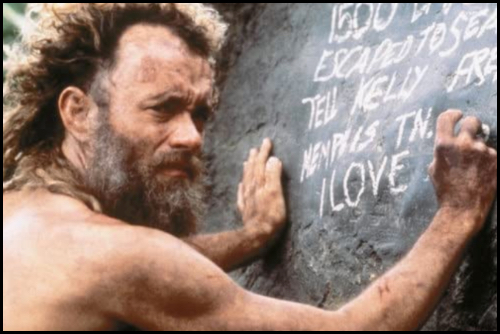
I am very happy to report that Cast Away is terrific. And touching and smart and willing to grant the audience a modicum of intelligence. I will never again be able to look at a purple and orange FedEx logo and not think about Tom Hanks and Cast Away. This is an unforgettable film, full of imagery and emotion that lingers, one that far exceeds even the high expectations that accompany it.
So what the Coens did with O Brother, Where Art Thou? is this: They transported Homer’s epic poem The Odyssey to this filmic otherworld of theirs, turning what is perhaps the original on-the-road story into a Depression-era fantasia that wants more for you to recognize the clever fun they’re having with filmmaking conventions of the 1930s than whether you know the least thing about ancient literature.


 sample sponsored post (sponsored) - Lorem ipsum dolor sit amet, consectetur adipiscing elit. Fusce quis risus odio.


