Antitrust (review)
There’s a lot of typing in Antitrust, and when there isn’t typing there’s a lot of running up and down stairs. It’s very soothing, in an altered-mental-state kind of way, like banging your head rhythmically against a wall.

handcrafted by maryann johanson (human) | 100% free of AIs and algorithms
There’s a lot of typing in Antitrust, and when there isn’t typing there’s a lot of running up and down stairs. It’s very soothing, in an altered-mental-state kind of way, like banging your head rhythmically against a wall.
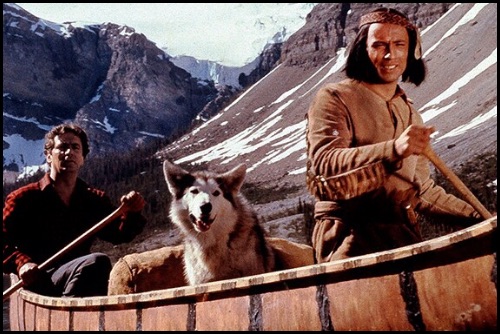
This gorgeously shot 1961 Disney movie is half awwww-inspiring romp through evergreen forests, half near-documentary about the Darwinian horrors of the food chain disguised as a kiddie flick.
Donaldson and screenwriter David Self keep a tight focus on a few offices and conference rooms in the Kennedy White House and the Pentagon to relate the chilling and surprisingly suspenseful story of a few days in which war as it was previously known ceased to exist, replaced by a new kind of combat employing the weapons of international politics and diplomacy.
Tobacco farmers and liquor manufacturers get subsidies. Marijuana growers and cocaine smugglers get arrested. If the hypocrisy of the ‘war on drugs’ infuriates you, then you’ll end up with a feeling of smug satisfaction after Traffic, Steven Soderbergh’s stark and unflinching depiction of both the naive cluelessness and outright pretense that characterizes drug warriors from local cops and the DEA right on up to federal judges and national politicians.
You Can Count on Me should never have been made, but thank the gods The Shooting Gallery — which also brings us its self-titled film series of way-below-the-radar indies — took a chance with it. We need more films like this one to remind us that movies aren’t always supposed to be about being big and bad and loud, but also about being fragile and quiet and observant of the tiny details and emotions that make up a human life.

What if the dude who played Nosferatu in that great old 1922 silent German horror movie was actually really a vampire? Cool.
You know those people who have no capacity whatsoever to form memories, so that they have to keep a daily diary just to remind themselves what they did yesterday? That’s the audience Finding Forrester is shooting for. It’s a small demographic, of course, but it’s nice to see filmmakers eschewing the Hollywood blockbuster thing and aiming for a niche crowd.
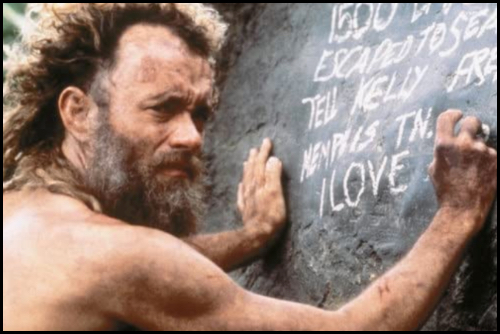
I am very happy to report that Cast Away is terrific. And touching and smart and willing to grant the audience a modicum of intelligence. I will never again be able to look at a purple and orange FedEx logo and not think about Tom Hanks and Cast Away. This is an unforgettable film, full of imagery and emotion that lingers, one that far exceeds even the high expectations that accompany it.
If A Simple Plan was Sam Raimi’s Northern gothic, then The Gift is his Southern gothic. Beautiful in its spareness and simplicity, it spins a chill-inducing tale from a seemingly mundane story by mixing in supernatural elements and treating them with a refreshing down-to-earthness.
So what the Coens did with O Brother, Where Art Thou? is this: They transported Homer’s epic poem The Odyssey to this filmic otherworld of theirs, turning what is perhaps the original on-the-road story into a Depression-era fantasia that wants more for you to recognize the clever fun they’re having with filmmaking conventions of the 1930s than whether you know the least thing about ancient literature.


 sample sponsored post (sponsored) - Lorem ipsum dolor sit amet, consectetur adipiscing elit. Fusce quis risus odio.


