
Maquia: When the Promised Flower Blooms movie review: the tragedy of the immortal
Epic yet intimate, this is a visually gorgeous and emotionally lush fantasy drama about love and hope set in a violent but beautifully realized invented world.

handcrafted by maryann johanson (human) | 100% free of AIs and algorithms
Epic yet intimate, this is a visually gorgeous and emotionally lush fantasy drama about love and hope set in a violent but beautifully realized invented world.

The philosophical and the sentimental trump the practical in this exposé of factory farming that, while effective in showing us the horrors, offers only simplistic solutions.

Writer, director, and star Rupert Everett’s labor of cinematic love, about the last years of Oscar Wilde, is a small wonder of contradictions: nightmarish yet sanguine, a bit sordid yet full of grace.

Breezy fun that sticks a shiv into Hollywood’s — and the larger culture’s — disdain for women. Wonderfully subtle comic performances from a great cast having a ball make for a perfectly suitable light diversion from the world right now.

A hugely entertaining exploration of the mythology of the legendary nightclub as something truly worth celebrating, and a towering Scorsese-esque drama of the men who invented it brought down by hubris.

There’s nothing fawning and plenty ironic about this essential first documentary to cover a major female fashion designer, a woman whose life is almost a perfect reflection of the trajectory of 20th-century feminism.

Authoritative and insightful, this essential film gives much needed cultural breathing room to some remarkable Hollywood women to discuss how they are undermined or shut out entirely from the industry.

There’s so much fresh air in this stunningly good biography that it feels like you’ve never encountered a rags-to-riches, tortured-artist story before. Not just for fashion lovers.

Hollywood finds a way. To keep telling the same stories over and over again, that is. There’s too much going on in Fallen Kingdom, and yet somehow not enough, either. Still: dinosaurs!
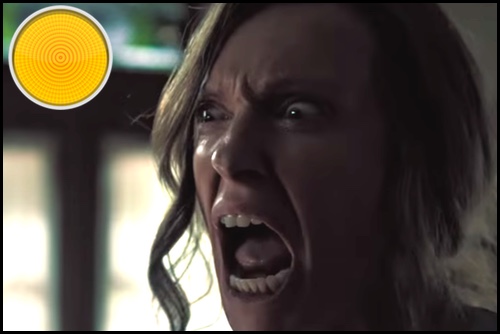
The sinister ambiance has a terrible grace, but its raw and honest portrait of grief and guilt is ultimately diminished by the supernatural horror that is also at play.


 sample sponsored post (sponsored) - Lorem ipsum dolor sit amet, consectetur adipiscing elit. Fusce quis risus odio.


