The Deep End (review)
But cast Tilda Swinton in the role of, as she is offhandedly referred to by a bit player here, “somebody’s mom,” and all of a sudden you’ve got a story about domestic discord that is compulsively watchable.

handcrafted by maryann johanson (human) | 100% free of AIs and algorithms
But cast Tilda Swinton in the role of, as she is offhandedly referred to by a bit player here, “somebody’s mom,” and all of a sudden you’ve got a story about domestic discord that is compulsively watchable.
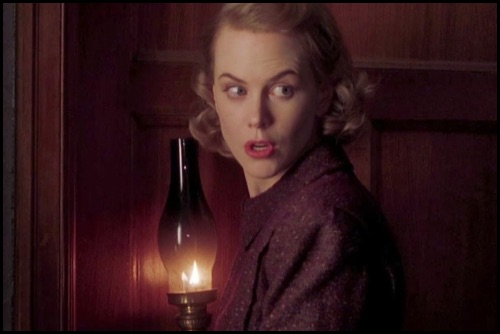
This is classy gothic horror, old-fashioned in the best way: there are no CGI specters, just mysterious footsteps and distant cries and movement in the shadows and hushed whispers and slamming doors.
So I leave the screening room, in awe at Nolan’s achievement, a young writer/director coming out of nowhere with a film that is bold enough not only to mess with our minds by redefining our understanding of how time flows onscreen but also has the audacity to use that radical storytelling conceit to question what it is that makes us human.
What is *The Third Man* is no great mystery: it’s one of the greatest expressions of the noir attitude ever committed to film.
In the wee hours of July 16, 1938, an insurance salesman Walter Neff sits down at a dictation machine in the offices of Pacific All-Risk in Los Angeles to record a confession. That guy Dietrichson, who died mysteriously? Neff killed him.
There’s a lot of typing in Antitrust, and when there isn’t typing there’s a lot of running up and down stairs. It’s very soothing, in an altered-mental-state kind of way, like banging your head rhythmically against a wall.
I don’t think it’s venturing too far into hyperbole to call this, the followup to The Sixth Sense from writer/director M. Night Shyamalan, a work of transcendent filmic genius, one that acknowledges the audience’s expectations, confounds them, rebuilds them, and ends up using them to brilliant, astonishing advantage.

Do screenwriters bother with characterization or motive for Old Scratch? Rarely — the Prince of Darkness is supposed to just coast on his rep as the Ultimate Bad Dude, and yet those selfsame screenwriters must, by storytelling necessity, declaw him, prevent him from taking full advantage of the hellish forces at his command.
Annie Wilkes is King’s best psycho and one of the most banally malevolent visions of evil ever depicted onscreen — as played by the extraordinary Kathy Bates, she is a terror of frighteningly everyday proportions. A lonely, abandoned woman living in the Colorado mountains, her greatest solace comes from the romance novels of author Paul Sheldon (James Caan), all of which feature an heroine with the unlikely name of Misery.

An intense and terrifying man-against-nature action movie, and also an unsentimental and unclichéd drama about following your bliss: doing what you’re made to do even to the point of risking your life.


 sample sponsored post (sponsored) - Lorem ipsum dolor sit amet, consectetur adipiscing elit. Fusce quis risus odio.


