
Bright Star movie review: cinematic poetry
John Keats is the intruder in Fanny Brawne’s story, and you might be forgiven for assuming that she’s the one who became legendary, for how the film defies convention by lavishing its focus on her.

handcrafted by maryann johanson (human) | 100% free of AIs and algorithms
John Keats is the intruder in Fanny Brawne’s story, and you might be forgiven for assuming that she’s the one who became legendary, for how the film defies convention by lavishing its focus on her.
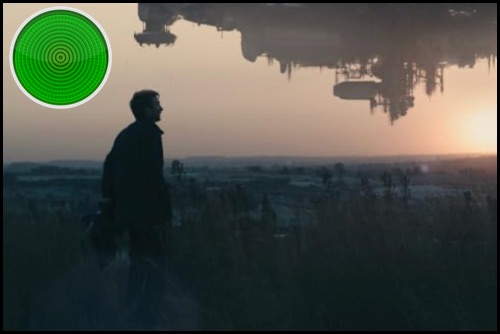
Even as half my brain was ticking off all those little nods with a geek’s appreciation for fellow geekitude, the other half of my brain was so floored with surprise that this could all still feel so fresh, so original, so like nothing I’d ever seen before.

It’s just about two women doing something for themselves, for their own amusement and enlightenment, and not even to please their men — hell, they’re not even competing for the same man!
Not a magical-negro flick, I promise…
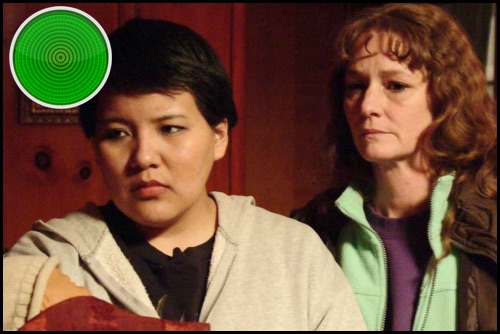
The stories of women are so disparaged — or worse, ignored — in our culture unless they have something to do with pleasing men, but here’s one that demands to be seen.
Yup, those pants are still traveling.
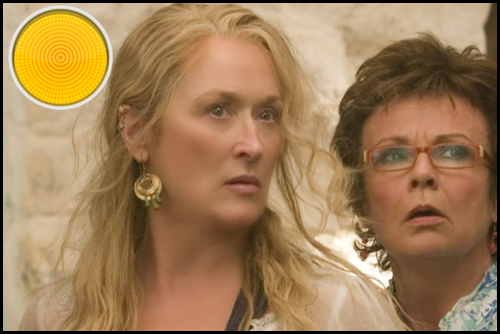
If there’s one thing that’s clear from this revue of ABBA’s hit songs, it’s that there really aren’t all that many great ABBA songs, hits or no.

Do not believe those TV ads that make this look like the goofy romantic lark of the holiday season. This is not a comedy, and it is no lark.
It’s got… something, this silly flick that’s just a little bit profound in its goofiness, this wonderland of schtick that touches on the dark flipside of all the ho-ho-ho and enforced jolliment of the Holiday Season(TM).

While movies about people clever and engaged enough to enjoy reading for fun may, in theory, be desirable, movies about people *actually reading* are less than totally enthralling.


 sample sponsored post (sponsored) - Lorem ipsum dolor sit amet, consectetur adipiscing elit. Fusce quis risus odio.


