

I’m “biast” (con): nothing
(what is this about? see my critic’s minifesto)

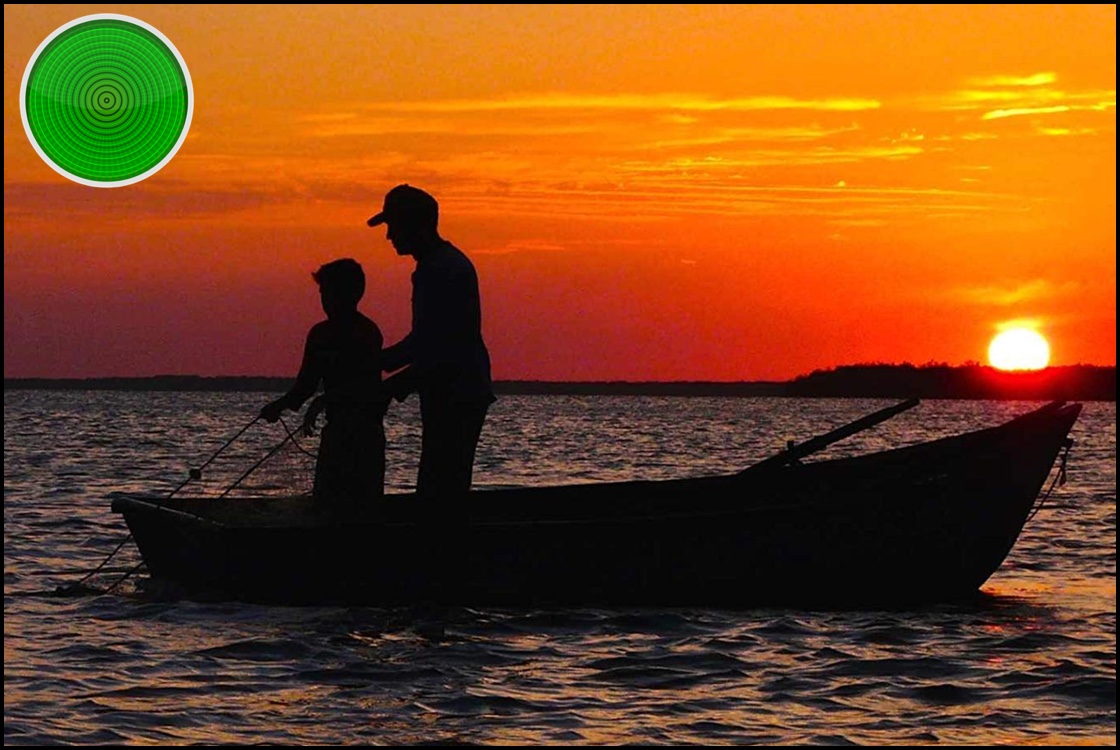
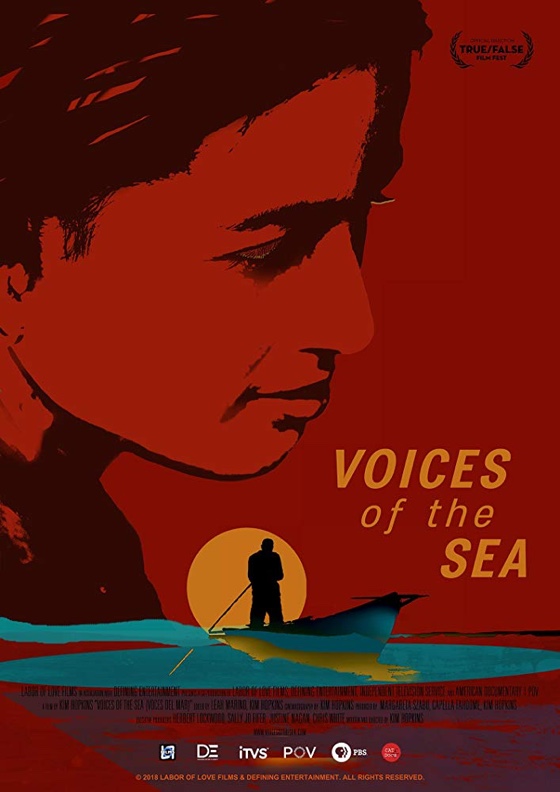
Mariela lives in Cajio Beach, a seaside village in Cuba, and dreams of escaping to America to make a better life for her children, for whom she’d love bigger horizons than working as fishermen. It’s a living that may not even be viable anymore, if the meager catches her husband, Pita, typically brings home are any indication… but it’s just about the only work around. All of Cuba may be poor, but Mariela and her family and friends are far from the hustle of Havana, even, and the desolation and the desperation of their existence are palpable. And yet so is the joy and the camaraderie of their little town, as seen through the sensitive eye of British documentarian Kim Hopkins, who brings a poignant poeticism to her portrait of hard going in a beautiful place, and of the love, laughter, and community that, perhaps, make the struggle just that little bit more tolerable.

Hopkins knows Cuba, its people, and the restrictions on its filmmakers: she cofounded the documentary department at an international film school there in the 1990s. And she knows how to get around those restrictions. None of the happy, hip clichés of Cuba that the government would like to push are on display here. They are undercut, in fact, in one smart sequence that deromanticizes the fix-it, recycle-it, make-do ethos that, for instance, underlies Cuba’s iconic classic cars; they aren’t cool retro, they are sheer necessity, partly thanks to the US trade embargo the country has been subjected to for decades. Regular power cuts, bread as a black-market item, and schools kids can’t get to because the bus just didn’t show up: this is the reality of life in Cuba, a tantalizing 90 miles from the richest country on Earth.
Those 90 miles are an enormous danger to cross, however: another of the documentary’s extraordinary sequences follows Mariela’s neighbor, Pita’s best friend, as he films an attempt to cross the Straits of Florida to the Keys in a rickety boat with a jury-rigged motor. It’s harrowing. (We also learn along the way that Mariela’s first husband — Pita is her second — disappeared, presumed drowned, after the boat he was hoping to get to Florida on capsized.) And so as specifically Cuban as Voices of the Sea is, so intimate and so singular, Hopkins’s depiction of the calculations migrants make is hugely relevant for the entire world right now, if we’re to have any hope of stemming the refugee crisis we’re in the midst of.

For, as we see here, no one really wants to leave their home and everything they know, risking their freedom and possibly their life, to end up in a place where they no know one, don’t speak the language, and aren’t prepared for life and work there. (One running motif of Voices is that no one in Mariela’s town truly understands what living in America would be like for them; they have fantasies that recall the “roads paved with gold” dreams of immigrants to 19th-century America.) They just want the opportunities other people are afforded merely by the accidents of their births. They’d rather have that at home, but it they can’t, they will pursue it however they can. It should already be blatantly obvious, but we’re going to need to figure out how to spread the wealth so that everyone can share in it. There simply is no other solution: not walls, that’s for sure. This gentle yet incisive film is, under its quiet beauty, a sharp call for more expansive ideas of empathy and fairness, ones that work on a global level, and for everyone. Because any of us could be Mariela, and we need to start recognizing that.
















This is what infuriates me about so many Americans who think illegal immigrants are cynically “skipping the line” and doing things the EASY way, by crossing the border to somehow take advantage of us: “Why don’t they wait their turn?” It takes a stunning lack of empathy to ignore the fact that entering the US illegally and everything it involves — uprooting your life, leaving family, turning over your life savings to smugglers, risking your life (and your children’s) in a potentially lethal crossing, and risking arrest and hostile mistreatment once you’ve arrived — is one of the HARDEST things a person can do. And anyone who decides to do this must have really urgent, compelling reasons. Why don’t they apply legally and wait their turn? Because that presupposes they have the luxury of waiting comfortably in a society that offers them a livable baseline of food, work, shelter, security and safety. And for many desperate migrants that’s simply not the case.
We should be spending money not on a wall, but on helping improve conditions in other nations (in REAL ways, not Dick-Cheney-we’ll-be-greeted-as-liberators ways) so that their citizens don’t feel so compelled to leave. And in the meantime, those who DO flee unlivable situations and risk their lives to come here should be met with compassion and human decency, not walls and prison bars and small-minded bigotry.
And, of course, the reason many people are living in conditions that compel them to leave are because of policies or actions that the US and other well-off Western nations have taken.
Right? It’s like we’re turning away our neighbors seeking refuge after we’ve set fire to their houses. What monsters we’ve become.